Start with these points
- Clarify what is included, when you can hand over the apartment and which details need checking.
- Compare similar apartments and distinguish asking prices from completed sale prices.
- Prepare the documents and an accurate presentation before the first viewing.
1. Define what is included and plan the handover
Write down whether the apartment comes with parking, storage, a cellar or furniture. Check the basis on which you use any additional spaces and whether they can be included in the sale. Separate items you will leave from those you will take. This reduces misunderstandings when buyers compare listings and attend viewings.
Decide when the apartment can be viewed and handed over. If you still live there or it is rented out, discuss the situation with your advisor before publishing. Avoid promising a date you cannot confirm.
2. Gather documents and check the apartment details
Gather the document relating to your acquisition or legal right to the apartment, and its land and mortgage register number if there is one. The register shows the legal status: Section II concerns ownership, while Sections III and IV cover rights, claims, restrictions and mortgages. It does not replace checking your particular circumstances with a notary.
The complete document list depends on the legal right, how it was acquired and the owners’ circumstances. Inheritance, joint ownership or representation by an authorised person may require additional documents. Agree the list with the notary handling the transaction rather than assuming every owner needs the same set.
- Check the address, floor area and additional spaces against your documents.
- Collect current information about charges from the building administrator or housing cooperative.
Source: Gov.pl: understanding the land and mortgage register
3. Check the energy performance certificate
When an apartment is sold, an energy performance certificate generally has to be provided to the buyer. Check that it covers the correct apartment and remains valid; any exemption needs to be assessed for the particular property. The certificate is valid for 10 years, but can expire earlier following work that changes its energy performance.
If a certificate has already been prepared, the listing should include the required energy indicators, renewable energy share and CO₂ emissions. Give these figures to the person preparing the listing.
4. Compare apartments that are genuinely similar
The district name and floor area alone are not enough. In Kraków, compare the particular street, tram or bus connections, building type, floor, lift, condition, layout and heating. Also check noise, daylight and parking arrangements. Base your description on your own observations and verified information.
Listings show asking prices, rather than proof of prices achieved in completed sales. Note the differences between properties and ask an advisor to assess pricing in the context of your apartment. Avoid applying the highest price you find to a property with a different condition or layout.
5. Tidy the apartment and show its actual condition
Start with cleaning, removing clutter and minor repairs, such as a failed bulb, loose door handle or leaking tap. Check that doors open freely and that viewers can move through the rooms and inspect the windows. Discuss the value of larger works with your advisor before automatically planning a complete renovation.
Do not conceal defects or signs of damp. Prepare information about completed work and problems that still need attention. An accurate account of the condition matters more than photographs promising a standard the apartment does not meet.
6. Prepare photographs and complete listing details
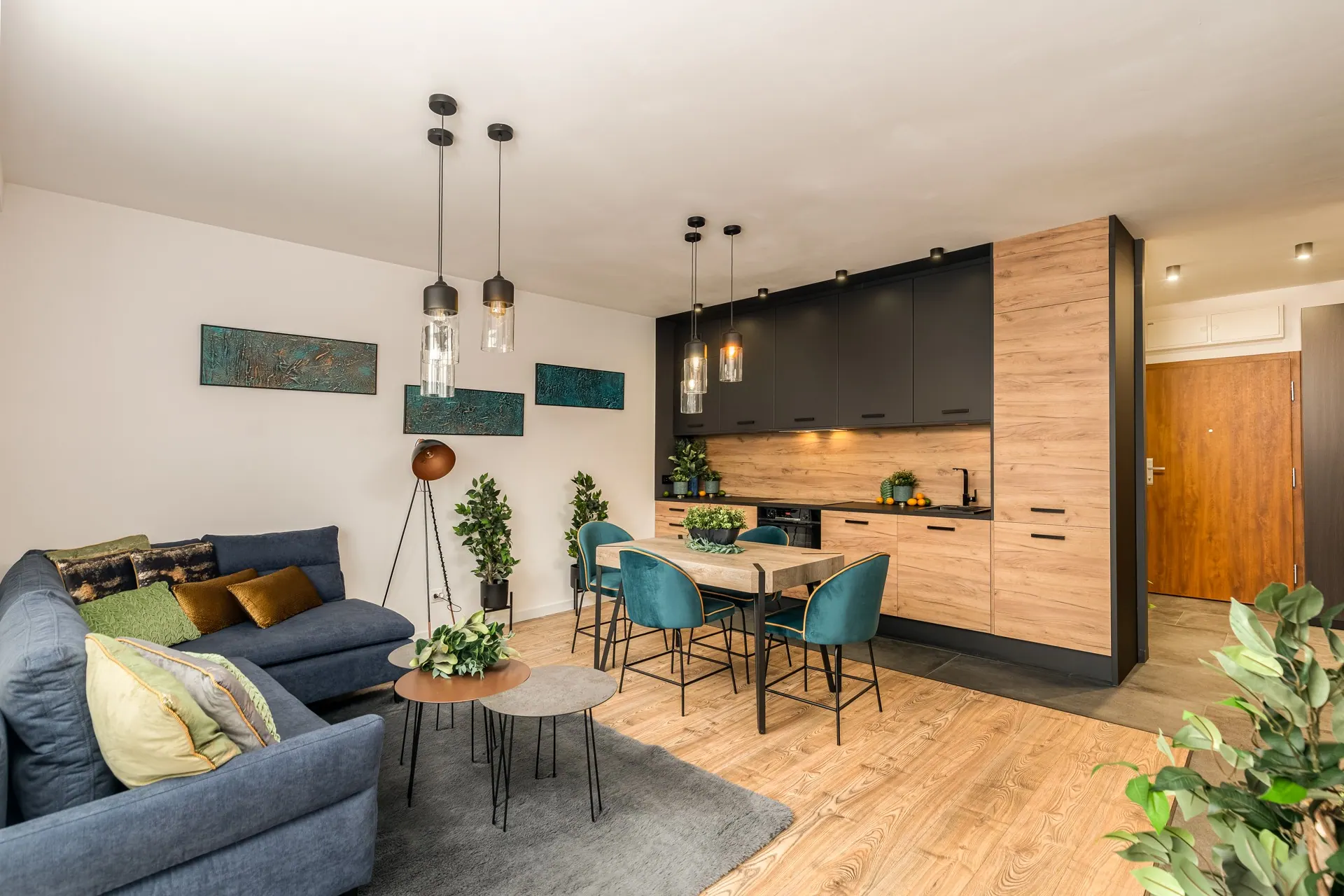
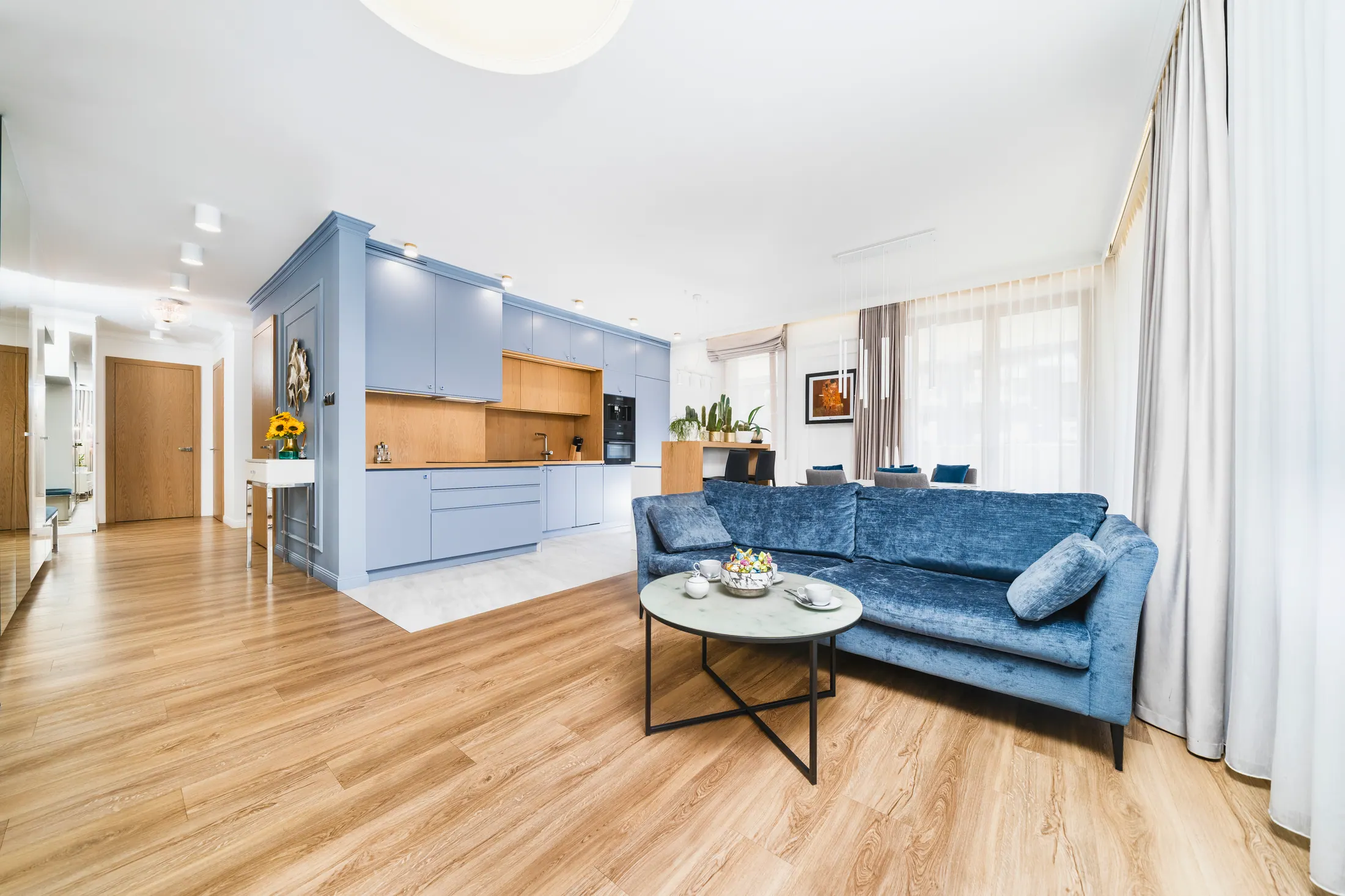
Take photographs after tidying the apartment, using reasonably even lighting. Show every room, the kitchen, bathroom and relevant extras. If you include a floor plan, make sure it reflects the current layout. Avoid edits that conceal the apartment’s actual limitations.
Explain how the space works rather than relying on adjectives. Include the confirmed floor area, floor, lift, heating, charges and what the price covers. Check distances to stops or parks on a map, and label estimated walking times as estimates.
7. Prepare for buyers’ questions
Agree how viewings will be arranged and who will handle enquiries. Keep the charges, included items and availability details to hand. If you do not know an answer about the building or documents, check with the appropriate person rather than guessing.
Record recurring questions after viewings; they may reveal information missing from the listing. Before completion, also organise the handover details, including items staying in the apartment, keys and meter readings.
8. Agree the scope of support
Promo Estates describes support with property assessment, asking-price guidance, photographs and descriptions, publication, viewings, negotiations and paperwork through to handover. During your discussion, agree who handles each task, which documents you provide and how you will review interest in the listing.
Owner’s checklist
- The sale scope and items staying in the apartment are clearly described.
- The apartment details have been checked against documents and the notary’s document list agreed.
- The energy certificate and figures needed for the listing have been checked.
- Charges, condition and known defects are documented.
- The photographs and description reflect the actual layout and condition.
- Viewing arrangements and the possible handover date have been agreed.