Start with these points
- Separate the rent payable to the owner from building charges and utilities.
- Check appliances and prepare an inventory before taking photographs.
- Agree viewing arrangements, the documents needed and the handover process.
1. Check the apartment as its next occupant would
Walk through the apartment and check lights, locks, windows, taps, drains and appliances. List defects and decide what will be repaired before handover. Use an appropriate specialist for installation problems. Cleaning alone will not resolve the cause of a leak or faulty heating.
Remove items you will not provide and organise storage. Assess whether the furnishings work for everyday use: doors should open freely, and the washing machine and cupboards should be accessible. A straightforward layout that you have checked makes it easier to present the apartment accurately.
2. Prepare an inventory
List the furniture and appliances staying in the apartment and their current condition. For appliances, keep the model, instructions and any known limitations. Inventory photographs help compare the condition with the handover record later. Keep them separate from marketing photographs, which mainly show the layout and appearance.
Avoid promising extra equipment until you have decided you will provide it. Before publishing, also clarify whether the tenant can use parking, storage or a cellar, and on what basis.
3. Organise property details and documents
Gather information confirming your right to make the apartment available and identify the people involved in the arrangements. If it has a land and mortgage register, check that the basic details match. The register records the property’s legal status, including ownership and the rights and restrictions listed in its sections.
The document list depends on the owner’s circumstances and the chosen rental arrangements. Clarify joint ownership, representation or questions about your legal right before publishing. This guide helps organise preparations; it does not replace checking individual documents.
Source: Gov.pl: understanding the land and mortgage register
4. Check the certificate and energy information
When renting out an apartment covered by the certificate requirement, the owner provides the tenant with a copy or printout when the lease is signed. The certificate must relate to the apartment being rented. If you are unsure whether an exemption applies, check before entering into the tenancy.
If a certificate has already been prepared, the listing includes the required energy indicators, renewable energy share and CO₂ emissions. Take them from the certificate rather than replacing them with a claim about “low bills”.
Source: Energy Performance of Buildings Act: Articles 11 and 13
5. Separate costs and compare similar listings
Create one breakdown showing rent payable to the owner, building charges and utilities. Mark each item as a fixed amount, advance payment or usage-dependent charge, and state the period it relates to. A previous occupant’s bills can inform the discussion, but do not guarantee future costs.
When comparing Kraków apartments, consider the particular location, transport connections, number of separate rooms, furnishings, heating, lift and parking. A listing with lower base rent may have different additional costs. Compare equivalent inclusions and record the differences rather than looking only at the first figure in an advert.
6. Show how the apartment can be used
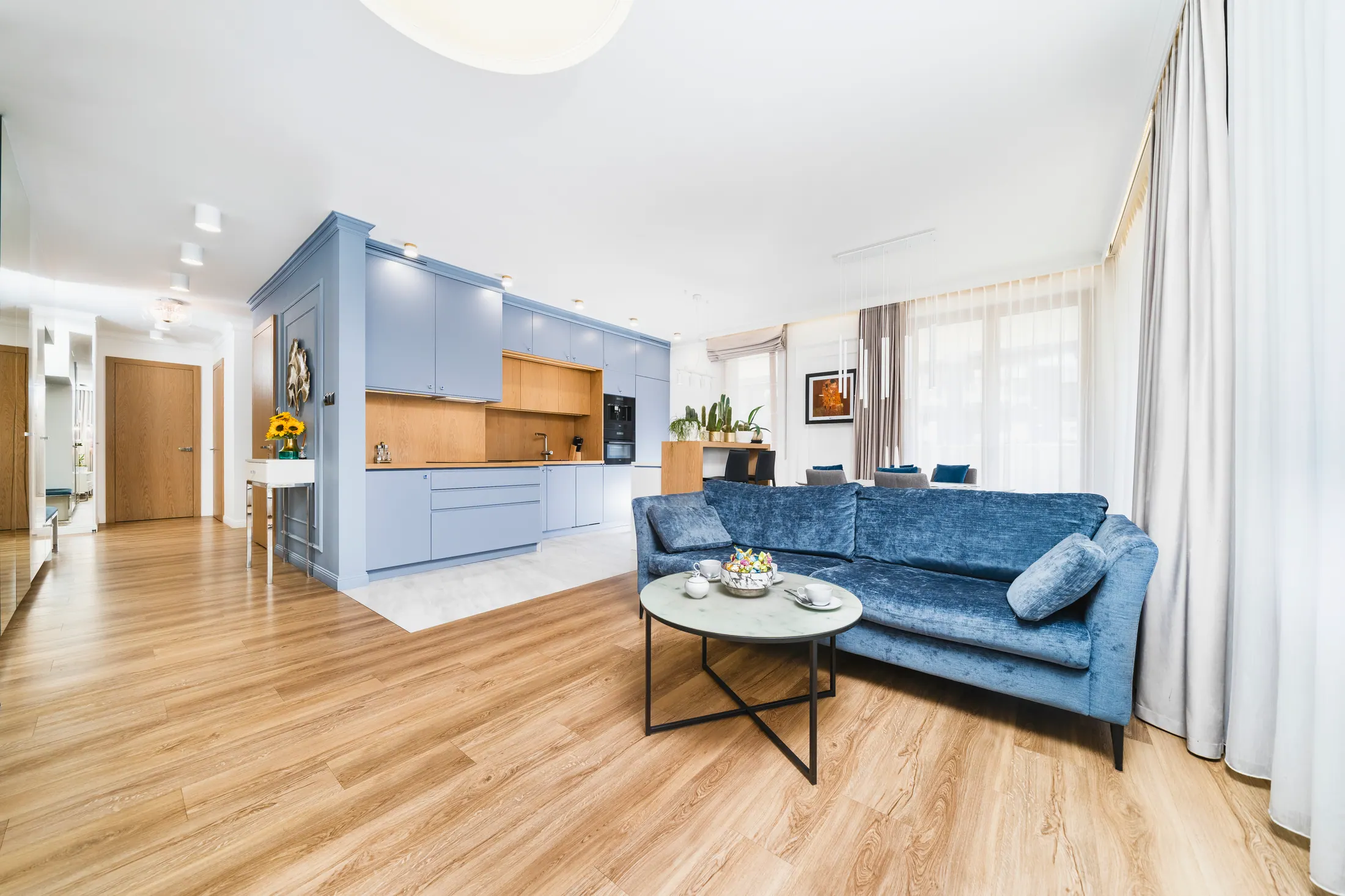
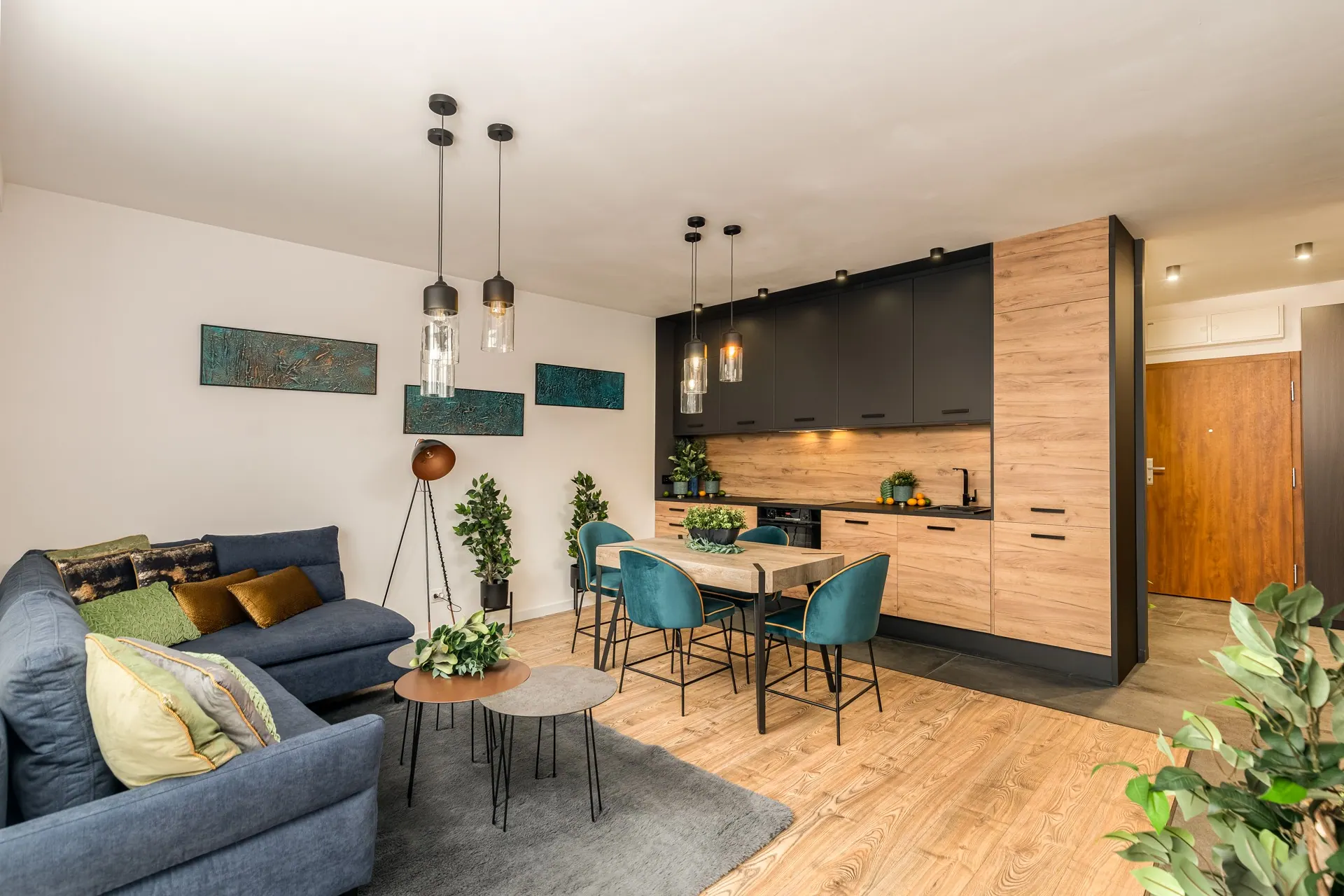
Take photographs once the apartment is prepared. Show each room, the kitchen, bathroom and available storage. Explain which rooms are separate, whether there is space to work and which furnishings are included. If you add a floor plan, check that it matches the current layout.
State a confirmed availability date and how viewings will be organised. Base descriptions of stops, walking routes and the surroundings on checked information. Avoid unsupported claims about quiet surroundings, journey times or parking availability. A clear description helps prospective tenants decide whether the apartment meets their needs.
7. Plan viewings and the handover
Agree who handles enquiries and which prospective-tenant information the owner needs. Use consistent, relevant questions about the planned occupancy and timing. Discuss arrangements before handing over the keys, and clarify document-related questions with the appropriate person.
At handover, prepare a record of the rooms and inventory, meter readings and number of keys. Add photographs of relevant details and record existing damage. Agree a contact for reporting problems and how appliance instructions will be provided. This is a practical organisational checklist, rather than a ready-made lease.
8. Agree the advisor’s and owner’s responsibilities
Promo Estates describes listing preparation, pricing guidance, enquiries and viewings, plus support with rental arrangements, documents and handover. Agree which tasks the team handles and which remain yours. Any ongoing support needs to be agreed separately; do not assume it is automatically included after a tenant is found.
Owner’s checklist
- Appliances and known defects have been checked, and necessary repairs planned.
- The included inventory and its condition are recorded.
- Your right to make the apartment available and the documents needed are clarified.
- The energy certificate requirement and listing figures have been checked.
- Rent, building charges and utilities are shown separately, with their calculation basis.
- The photographs, description and availability date reflect the actual situation.
- Viewings, the handover record, keys and contact arrangements are prepared.